Exhibition Plan – Free Exhibition Planning Template
Trade show and exhibitions are still powerful platform for brand presence, lead creation, and business generation. Nevertheless, it is very often that a person succeeds at an exhibition by chance. It absolutely depends upon structured preparation, clear goals and systematic implementation. The exhibition plan provides the roadmap required to manage these elements effectively.
An exhibition plan is a road map that can help the businesses from initial concept to post-event evaluation. It ensure alignment between objectives, budgets, resources, and timelines. A well-organised exhibition planning template also makes the process easier and eliminates the threat of expensive oversights. Businesses with a strategic approach always get greater interaction and enhanced returns of exhibitions.
.What Is an Exhibition Plan and Why It Matters
An exhibition plan is a detailed report on all the activities in trade show or an exhibition. It provides goals, duties, deadlines, budgets and performance measures. The plan will make sure that activities included support business goals. Exhibitions entail various moving components that include stand design, logistics, staffing and marketing. These elements tend to work in isolation without a proper strategy. This compliance ensures efficiency as well as consistency.

A formal plan also enhances accountability. Teams are aware of their functions, timelines and deliverables. The management attains access to progress and use of resources. This transparency minimizes last minute problems and operational stress. Most importantly, an exhibition plan assists businesses to assess success. Defined objectives as well as other metrices helps in post-event evaluation. This makes exhibitions more of a one-time only feature into a continuous improvement opportunity.
Setting Clear Objectives Before Planning an Exhibition
Effective exhibition plan is simply based on clear objectives. Before investing in a resource, businesses have to establish the definition of success. With objectives, all subsequent planning decisions are directed. The common goals of the exhibitions are lead generation, product introductions, brand recognition and partner engagement. There are businesses that focuses on competitor analysis or market study. Every goal demands a different strategy, be it designing of the stands, promotion, as well as staffing.
Goals need to be specific and measurable. For example, a specific number of leads generated provides clarity and focus. Ambiguous Vague goals often lead to unfocused execution and disappointing outcomes. After establishing goals, businesses can position their message and engagement strategies. Teams have the opportunity to focus on the activities that help those goals directly. This helps in maximizing the returns on investment and ensures strategically relevant.
Pre-Exhibition Planning and Timeline Management
1. An effective exhibition planning should be started few months prior to the event. By being prepared early, one can have the option to choose the venue, availability of suppliers and budget control. Realistic timeline helps in minimizing rushed decisions and extraneous spending. Pre-exhibition planning comprises budgetary allocation, space booking and selection of suppliers.
2 .Internal approvals and resource availability are also another consideration which must be done by businesses. With having a planning template, these tasks are controlled in an orderly manner. The timelines should include key milestones such as stand design finalization, marketing campaigns launches, and employee training. Every milestone should have a deadline along with the responsibility.
3. This will avoid bottlenecks and lack of accountability. It is also important to have a contingency planning as it plays an important. There are always delays and changes that take place at exhibitions. A properly developed strategy foresees the risks and provides reserves. This readiness makes the implementation easier.
Designing and Preparing the Exhibition Stand
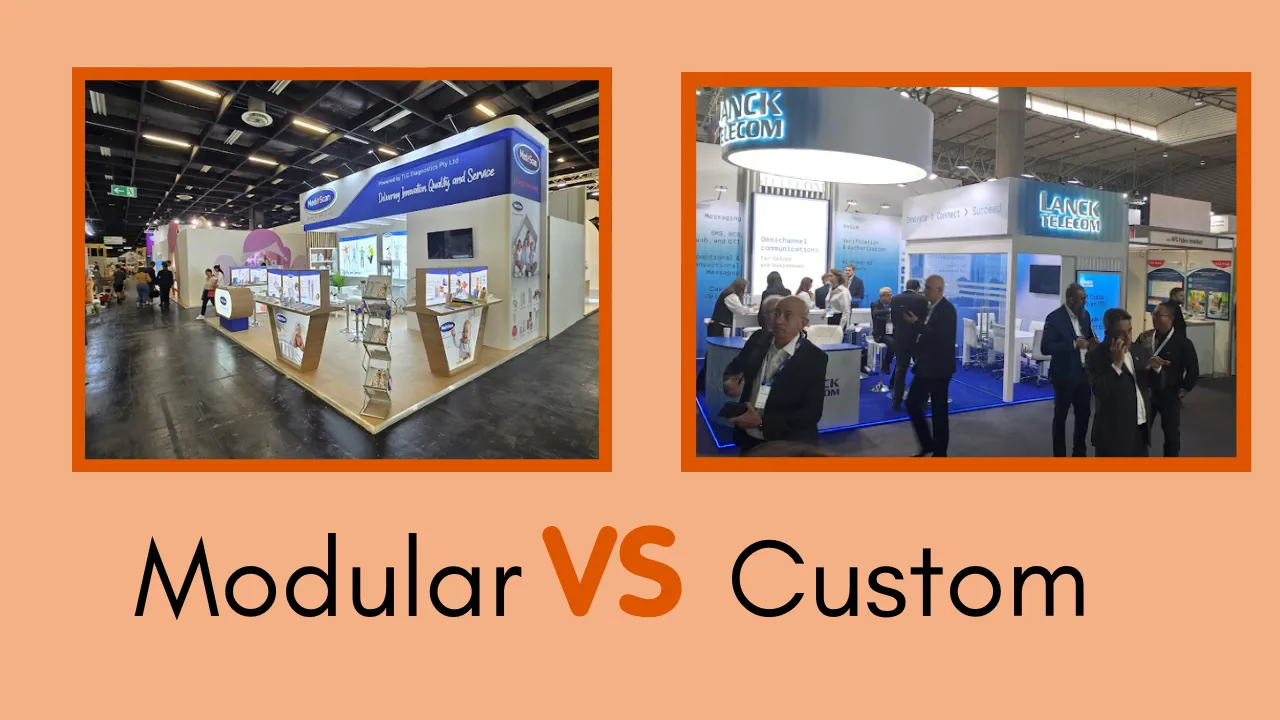
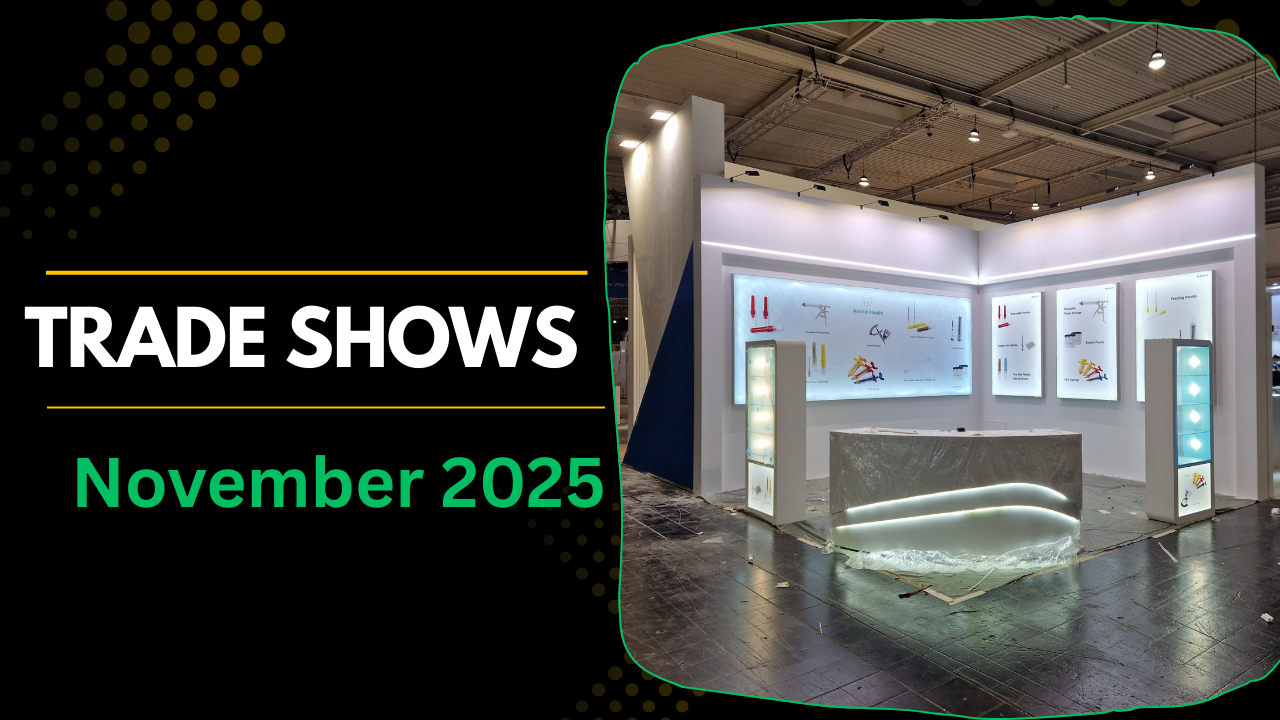
Exhibition stand is the physical expression of a brand. It has to be designed based on the goals, messages and visitors’ expectations. A well-designed stand attracts attention and helps in a fruitful interaction. Stand design must focus on visibility, accessibility and functionality. Clear branding enables the visitors to know about the business as quick as possible. Open layouts promote movement and engagement. Space planning should facilitate demonstrations and conversation.

Preparation extends beyond aesthetics. Technical requirements, power supply, and digital integration should be in line with the venue regulations. Timely coordination with designers and contractors averts the compliance issue at the last minute. Content preparation is also part of stand preparation. There should be an uniformity of messages conveyed in visual display, brochures and through the digital resources. Equipment and materials should be tested in advance. Such attention to detail adds to professionalism and credibility.
Logistics, Staffing, and Operational Preparation
installation, and dismantling, requires better coordination. Delays or error in logistics can disrupt the whole event experience. Businesses should definitely plan shipping schedules, custom needs, and storage arrangement. Clear schedules helps in deliveries and installation on time.
Accurate documentation eliminates unnecessary delays and fines. Staffing preparation is directly related to visitors experience. Staffs should know about the goals, messaging, and interaction protocols. The training sessions contribute in aligning communication and lead qualification approaches. Other operational preparations involve accommodation, travel and on-site coordination. Having clear schedules and responsibilities minimize confusion. A well-prepared team project confidence as well as professionalism throughout the event.
Pre-Show Marketing and On-Site Engagement Strategy
Pre-show marketing builds expectation and gathers targeted footfall. Businesses should encourage their participation through the digital channels, email campaigns, and direct outreach. Early communication enhances the visitor quality and engagement outcomes. It must be ensured that marketing message should highlight value propositions and event-specific offerings.
The appointment scheduling increases the efficiency and guarantees meaningful interactions. Pre-registration initiatives further supports lead generation. On-site engagement ensures the visitors experience at the stand. Interactive elements, demonstration and discussions should be objective oriented.
Staff should focus on high-quality interactions and not volume. Lead capture process must remain structured as well as compliant. Having specific criteria is a way to prioritize prospects. Structured data collection helps in post event follow-ups and assessments.
Post-Exhibition Review and Performance Evaluation
The last leg exhibition planning cycle is completed by post exhibition review. Businesses Should compare performance with earlier set goals. This analysis converts outcomes into action. Some of the indicators including lead quality, the level of engagement, and the conversion potential. There are also budget performance and operational efficiency which should be assessed as well. The fair assessment identifies the strengths and areas of improvement. Post-exhibition activities are quite important in achieving the value of the exhibition. Well-timed communication helps in building relationships and fastens the conversions. Clear ownership ensure accountability for follow-up actions. Lessons learned helps in improving future planning. Continuous improvement increases exhibition effectiveness over time.
Conclusion
An exhibition plan offers organization, clarity and Strategic direction. It changes an exhibition into controlled business initiatives. A free exhibition planning template also makes it easier to execute and enhance consistency. Planned businesses always achieve better engagement, concrete brand presence, and measurable outcomes. From objective setting to the post-event evaluation, each of the stages plays a role in the overall success. Disciplined exhibition plan ensures resources providing meaningful returns.